Dylan Tombs.

Dylan Tombs.

Software Engineer · CS & Mathematics, University of Bath

dylan-tombs/
├── about.md
├── experience/
│   ├── cognisses.ts
│   └── deeplearnhs.ts
├── projects/
│   ├── backtesting-engine.py
│   ├── bath-hack.py
│   └── url-shortener.java
├── skills.json
└── contact.txt
master
development
feature
C++
Azure
Docker
React

Cognisses.

Software Engineer

Led the React migration of a production report-generation system and built an MCP server grounding AI-assisted data discovery in live company data.

680,000+
Users
30%
Execution time cut
20
Engineers using MCP server
Python
Terraform
CI/CD Production
Git

DeepLearnHS.

Software Engineer

Built an internal AI tooling pipeline improving agent suggestion consistency across a dozen repos, and migrated infrastructure to Terraform.

24%
Acceptance rate increase
158
PRs improved
15
Azure services migrated

A year of shipping.

Jan
Feb
Mar
Apr
May
Jun
Jul
Aug
Sep
Oct
Nov
Dec
Mon
Wed
Fri
Less
More

Bath Hack.

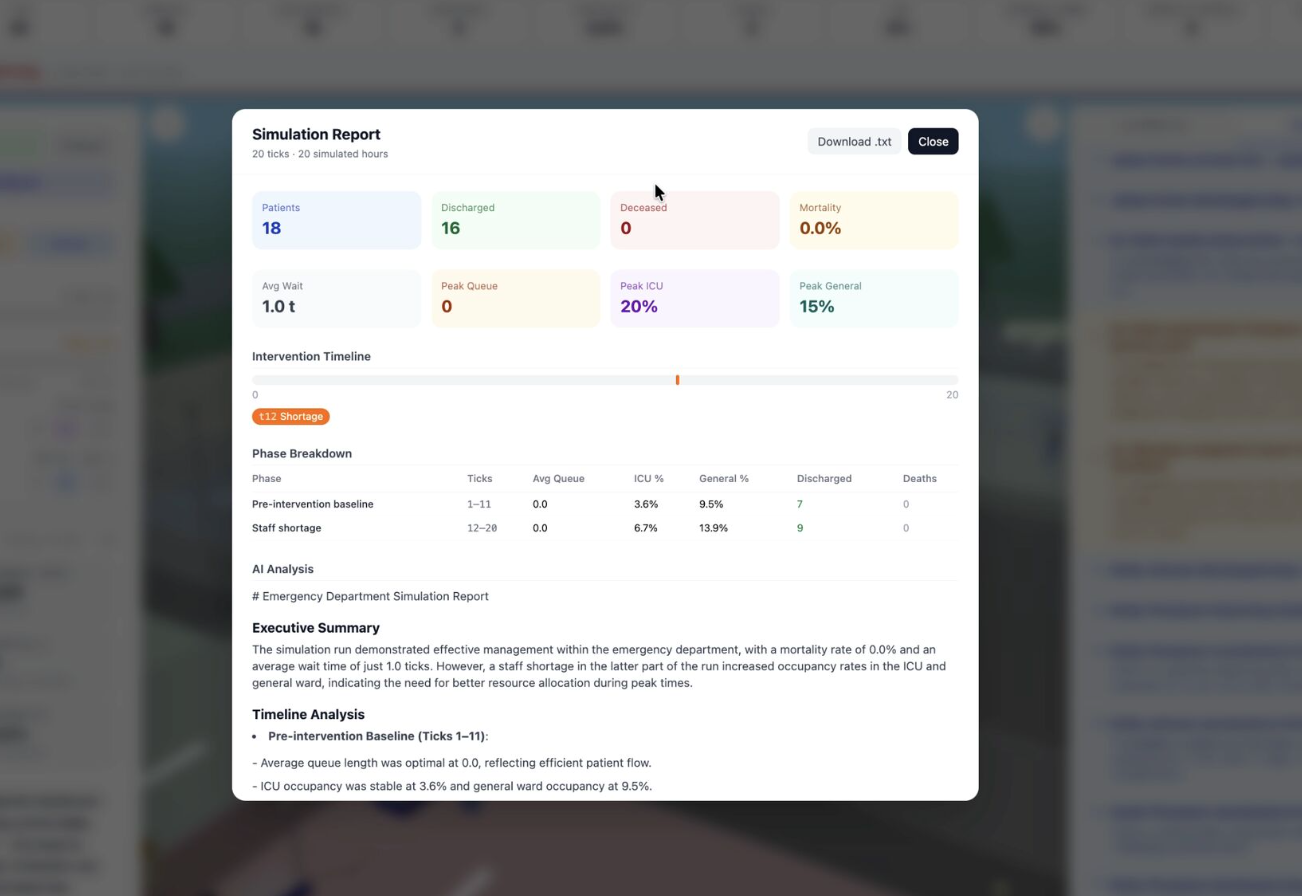
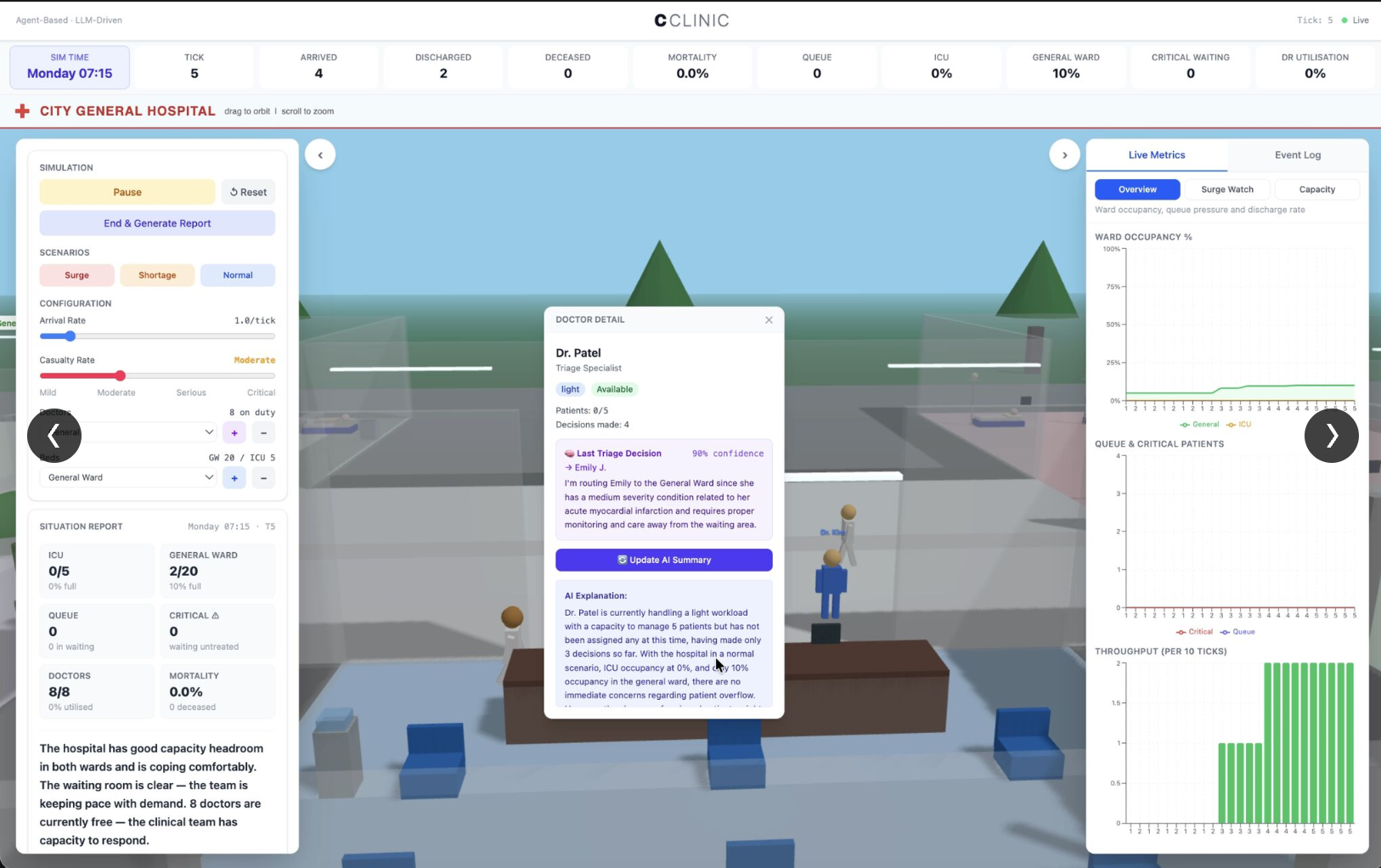
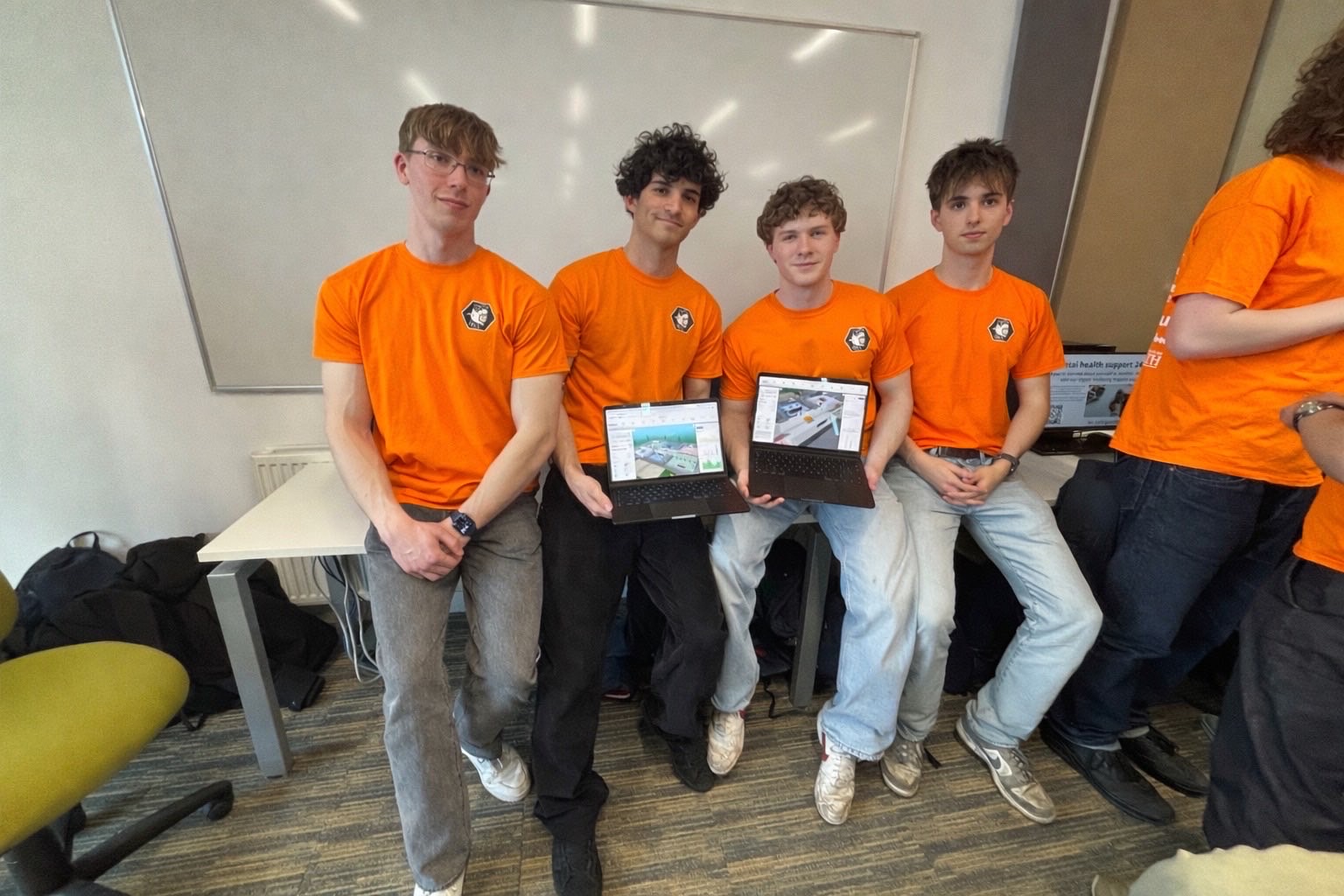
Won 1st place engineering a multi-agent hospital simulation, where doctors and patients were distinct LLM-powered agents making decisions under configurable stress conditions. Every agent ran in the simulation loop over WebSockets, keeping a single source of truth for hospital state independent of AI response time.

500ms
Fixed tick rate
5+
Agent types
1st
Bath Hack 2026
Python
Terraform
Screenshot 1Screenshot 2Screenshot 3
Claude Code

Workflow /init Claude.

Built a distributed backtesting engine in Python and C++, shipped as a Chrome extension for backtesting trading strategies against real price history. I developed in close collaboration with Claude. My workflow now involves proposing my own architecture first, then using it to stress-test decisions, scaffold solutions, and catch what I'd missed. Every line was read, tested, and questioned before shipping, to avoid bloated or fragile code that AI does fail at.

70%
Latency reduction
93%
Test coverage
150+
Active users
Python
C++
Claude

URL Shortener.

A system design sandbox, built for me to understand how data-intensive systems stay reliable at scale and produce it. Redis caching, two-tier rate limiting which bridged the system design theory I've studied to life into something testable and monitorable.

35%
Latency reduction
2
Rate limit tiers
AWS
Deployment
Redis
AWS
1. Long URL
2. Distribute request
3. Generate short URL
4. Return short code
5. Store mapping
6. Return short URL
7. Short URL
8. Access short URL
9. Distribute request
10. Lookup long URL
11. Redirect
Client
Load Balancer
Web Server
URL Generator Service
Database
User
Load Balancer
Web Server
Database

Scroll to explore the full request flow →

Skills.
Python
React
Docker
AWS
TypeScript
PyTorch
Terraform
MCP

Let's talk.

Open to new roles and interesting problems — reach out.